Dependable Sewage-disposal Tank Emptying: What to Expect from Expert Crews
Business Name: Elite Sanitation Services
Address: Saucier, MS 39574
Phone: (228) 297-4850
Elite Sanitation Services
Since 2016, Elite Sanitation Services has been the premier provider for all your sanitation needs. We deliver comprehensive solutions. Our expert team ensures seamless service for events and construction sites, handling everything from septic system services to grease trap pump-outs and jetting services. We are dedicated to providing superior sanitation services with unmatched reliability and professionalism.
Saucier, MS 39574
Business Hours
Septic systems don't request much, but they reward constant attention. If you live outside of a drain district, a quiet, well-timed see from a trusted team can conserve you from soggy lawns, sulfur smells, and the awful surprise of sewage backing up into a tub. Reliable septic system emptying is not magic. It is a practiced routine with a few moving parts, and when you know what to anticipate, you can identify a pro from a pretender.
What a septic team really does
People frequently think of septic system pumping as just sucking out liquid. A thorough task goes further. Tanks construct 3 layers: residue drifting on top, clear effluent in the middle, and sludge chose the bottom. The goal of sewage-disposal tank cleaning is to remove all 3 to the degree possible, inspect the parts that keep the system healthy, and leave the website as neat as they discovered it.
A great team arrives prepared for two tasks: service and assessment. Service is the physical pump-out. Assessment is the set of eyes on baffles, tees, filters, and indications of trouble. You are spending for both, even if the billing lists a single line item. You will know you hired the right group when they describe their strategy in plain terms and make you part of the decision making, particularly if gain access to is tricky or the tank is older than your house paint.
A fast guide on the system they are servicing
Inside the tank, bacteria absorb solids in an oxygen-poor environment. The outlet baffle or tee keeps back residue and sludge while permitting clearer effluent to stream to the drainfield. The drainfield disperses that effluent into the soil, where natural filtration ends up the job. Sewage-disposal tank maintenance is actually about securing each link because chain. Excessive sludge enters the outlet, the field obstructions. A missing baffle, a cracked lid, a filter choked with lint from an old washing device, and problems cascade.
Most residential tanks hold 750 to 1,500 gallons. Modern installs frequently include risers that bring covers to the surface area for easy access. Older tanks may be two lids under 6 to 24 inches of soil. Teams deal with both, however access impacts time, expense, and how clean a clean-out can be.
The service visit, action by step
If you like to see a clear strategy before hose pipes decipher throughout your lawn, here is the rhythm of an expert visit.
- Confirm location and gain access to, then expose and open the lids securely, not simply the inlet. If covers are buried, they dig nicely, set soil aside, and safeguard landscaping.
- Measure the layers. Lots of crews use a sludge judge or a marked pole to examine scum and sludge depth, then note capacity and condition.
- Mix and evacuate all layers. They break the crust, agitate settled solids, and pump from several ports to prevent leaving a heavy layer behind.
- Inspect parts. Expect a take a look at inlet and outlet baffles or tees, effluent filter if present, signs of deterioration, cracks, roots, or high water intrusion.
- Wrap up with a website check and a report. Lids seated, soil changed, hoses washed down, and a written or digital summary with recommendations.
Fifteen minutes is insufficient for the full regimen. For a normal 1,000 gallon tank with easy access, 45 to 90 minutes is more practical, depending on how compacted the sludge is, whether lids are buried, and how far the truck should park.
Tools of the trade and why they matter
The honey wagon is more than a big vacuum. Pump capacity varies. A high quality air pump may move 300 to 600 cubic feet per minute. That impacts how quick they can clear a thick tank, and how well they can pull heavier grit from the flooring. Hose pipes normally run 2 to 3 inches in diameter and often reach 100 to 200 feet. If your driveway is long or the backyard is fenced, crews value a heads up so they can bring extra hose or smaller sized equipment to secure paving stones.
Ask whether they bring wash-down water. A crew that can rinse the interior throughout sewage-disposal tank emptying will do a more thorough task, particularly when grease or thick settled solids resist vacuum alone. Watch for correct safety covers while covers are off. A professional treats an open tank like a restricted space hazard, because it is one.
What a complete pump-out looks like
Some outfits pump the liquid layer and call it great. That leaves the heaviest product behind. It likewise sets you up for a quicker refill and a quicker require the next see. A complete task consists of:
- Breaking the residue layer with a pole or nozzle.
- Agitating settled sludge to suspend it, then vacuuming it away.
- Pumping from both compartments if your tank has them.
- Clearing and washing the effluent filter if installed.
- Confirming that the outlet baffle or tee is intact.
You might see them sweep the bottom with a pole to feel for staying solids. If they only open one cover, inquire to open the outlet side also. The outlet side tells the fact about how well the system is securing your field.
Inspection that is actually useful
Inspection is not a sales pitch. On an excellent day, evaluation is the early-warning system for pricey repairs. Expect a look at:
- Inlet and outlet baffles or tees. Concrete baffles can crumble after years. Plastic tees in some cases get knocked loose by an awkward clean-out. Missing baffles permit scum to wash into the field. That is an urgent fix.
- Effluent filter. Lots of tanks have a cartridge filter on the outlet. It safeguards the field from fine solids. It should be cleaned up annually. Homeowners can frequently do this themselves, but it is an untidy task and requires care to prevent a spill.
- Tank structure. Spider cracks in covers, root intrusion through joints, rebar proving in old concrete, or signs of groundwater getting in the tank all matter. A constant trickle in from the outlet when nothing is running in your house indicate a saturated drainfield or a drooping line.
- Liquid level. The level should sit at the outlet pipeline elevation. If it is low, you may have a leak. If it is high and the outlet is not obstructed, the field might be struggling.
A thorough team files what they see. Photos on a phone are fine. Better yet, they include measurements, like residue density and sludge depth, and the gallons removed.
How frequently you actually require septic tank pumping
The normal advice checks out like a decal: every 3 to 5 years. That is Septic Pumping Elite Sanitation Services a fair beginning point, however usage drives the schedule.
A little home of two with a 1,250 gallon tank can often go 5 to 7 years without stressing the system, especially if they spread laundry loads and avoid a waste disposal unit. A family of five with frequent visitors, long showers, and a kitchen disposal might need service every 1 to 2 years. Include a water conditioner that backwashes into the septic, and cycles tighten up even more. Leasings and vacation homes are wild cards. Bursts of heavy use can overload a system that otherwise sits quiet.
If you like numbers, a practical general rule is to arrange the next see when the combined scum and sludge reach 30 to 40 percent of tank volume. That usually lands you in the 2 to 4 year variety for average usage. If you keep the last report, you can adjust based on what the crew measured rather than guessing.
Pricing without surprises
Rates differ by area, but the structure is foreseeable. Many companies estimate a base price that consists of pumping up to a certain volume, frequently 1,000 or 1,500 gallons. Bonus stack up from there. Expect charges for finding if the tank is not marked, digging if lids are buried deeper than a couple of inches, extra tube length if the truck can not get close, and time for intricate cleansing when solids are compacted. Disposal costs have actually crept up in lots of locations as wastewater plants tighten septage handling standards.
If you hear an extremely low offer, ask what is included. Partial pump-outs are cheaper and much faster. So are gos to that skip examination. A reliable crew discusses expenses before they cut a shovel line.
A note on ingredients. Some operators sell enzymes or bacterial boosters. If your system is healthy and you are on a reasonable pumping schedule, you do not require them. They will not fix a stopping working drainfield. They can stir up solids that must sit tight between services. Your best "additive" is moderation: low circulation fixtures, no wipes, no grease.
Red flags and how to vet a provider
A septic company deals with hazardous waste and heavy equipment on your home. You can ask direct questions without being uncomfortable. This is your home and your groundwater.
- Licensing and insurance. Request for license numbers and proof of liability and workers comp. Teams work around holes and heavy lids. You want coverage in place.
- Disposal practices. They need to call the center where they transport septage and supply a manifest or line product for gallons eliminated. Responsible hauling matters.
- Access strategy. If they can not discuss how they will find the tank, safeguard landscaping, and leave the site clean, look elsewhere.
- References and performance history. A next-door neighbor's recommendation still brings weight. So does a clean record with your county health department.
I when had a customer call after a low priced clothing pumped only the very first compartment through a 6 inch inspection port and left the outlet side unblemished. The tank was "serviced" on paper, yet grease moved into the field for months. A 2nd check out from a trusted team avoided a full drainfield replacement that would have cost 5 figures. Verification matters.
Preparing your property for the visit
You can make the day go smoother with a few little steps that do not cost anything. Here is a simple checklist.
- Clear automobile gain access to and unlock gates. Pipes are heavy. Close parking shortens the task and lowers yard impact.
- Mark the tank location if you know it, and trim shrubs over lids. Save time, conserve digging.
- Hold laundry and dishwashing for a few hours before the visit to decrease the liquid level.
- Keep animals inside or protected. Teams are friendly, but open pits and thrilled pet dogs do not mix.
- If lids are buried deep, have a conversation about setting up risers. One-time cost, long-term convenience.
What to expect on the day
A great team gets in touch with the method with an arrival window. The truck is loud at idle. If you work from home, you will observe it more than the odor. Smell is greatest when the lid first opens and when the residue is broken. The better the vacuum and the faster the cover goes back on, the shorter the whiff.
Hoses snake throughout lawns. Numerous business carry ground pads or corner guards for fragile spots. You can request them if pavers or flower beds stand in the path. In winter environments, frozen lids slow things down. Warm water, de-icer, and persistence assistance. The truck is heavy, easily 30,000 pounds loaded. Soft ground after a storm may not manage the weight. If a long pipe run from the street is possible, crews will do it, though suction drops slightly with distance.
Expect the operator to show you findings. That may mean peering into a tank. If you are squeamish, ask for photos rather. They must mention the condition of baffles, whether they cleaned up the filter, and whether they saw indications of a having a hard time field. A typical report checks out like this: "1,000 gallons eliminated, 4 inches of scum, 10 inches of sludge before service, outlet tee undamaged, filter cleaned up, advise 3 year period."
After the truck rolls away
The site ought to look like it did before the go to. If they dug, the soil will sit a bit high. That assists it settle flush after a couple of rains. You need to have a receipt with gallons pumped and disposal information. Keep it. If you ever sell your house, that stack of invoices and notes will assist the purchaser and might even bump your price.
It takes a day or two for smell near the covers to dissipate fully, specifically in still air. You can run an extra shower or more to bring germs back to working levels, however it is not strictly necessary. The system repopulates on its own from what flows out of your drains.
If they suggested repairs, prioritize outlet baffles, broken or missing out on lids, and filter replacement. Those items protect the field and minimize risk. Changing a rusted inlet baffle on a calm Saturday costs a couple of hundred dollars. Restoring a drainfield that took years of abuse can cost ten to thirty thousand, in some cases more.
Maintenance that prevents emergency situation calls
Septic tank maintenance mixes practice and a light touch. The fundamentals still work. Conserve water. Keep grease out of sinks. Utilize a trash can for wipes, cotton bud, dental floss, and womanly products. Space laundry loads so the tank is not hit with long cycles back to back. If your cleaning device is ancient and does not have a lint filter, think about an aftermarket inline filter where the discharge hose pipe fulfills the standpipe.
If you have an effluent filter, plan to clean it annually. Use gloves and eye defense. Pull the filter gradually to prevent breaking the crust into the outlet. Hose it down into the tank, then reseat it. If this sounds challenging, include a fast service see to your calendar rather. A small fee beats a spill in the yard.
Clarifying the terms: pumping, cleaning, emptying
Homeowners and even companies utilize these terms loosely. Septic tank pumping is the act of vacuuming out the contents. Septic system emptying is what most clients request for, but in practice a tank is never genuinely empty. A thin movie of biosolids remains, which is fine. Septic system cleaning, utilized by some operators, suggests a comprehensive pump-out that eliminates scum and sludge and consists of rinsing, plus a take a look at components. When you schedule, request a complete pump-out with assessment and filter service. The specific words matter less than the actions, however clearness avoids misunderstandings.
Special cases and edge conditions
Aerobic treatment units. Some systems use aeration to enhance treatment, often paired with drip fields. They have pumps, alarm panels, and maintenance requirements more like little wastewater plants. They still need regular sludge removal, but they likewise require regular checks of blowers and diffusers. Hire a supplier who services your particular make and model.
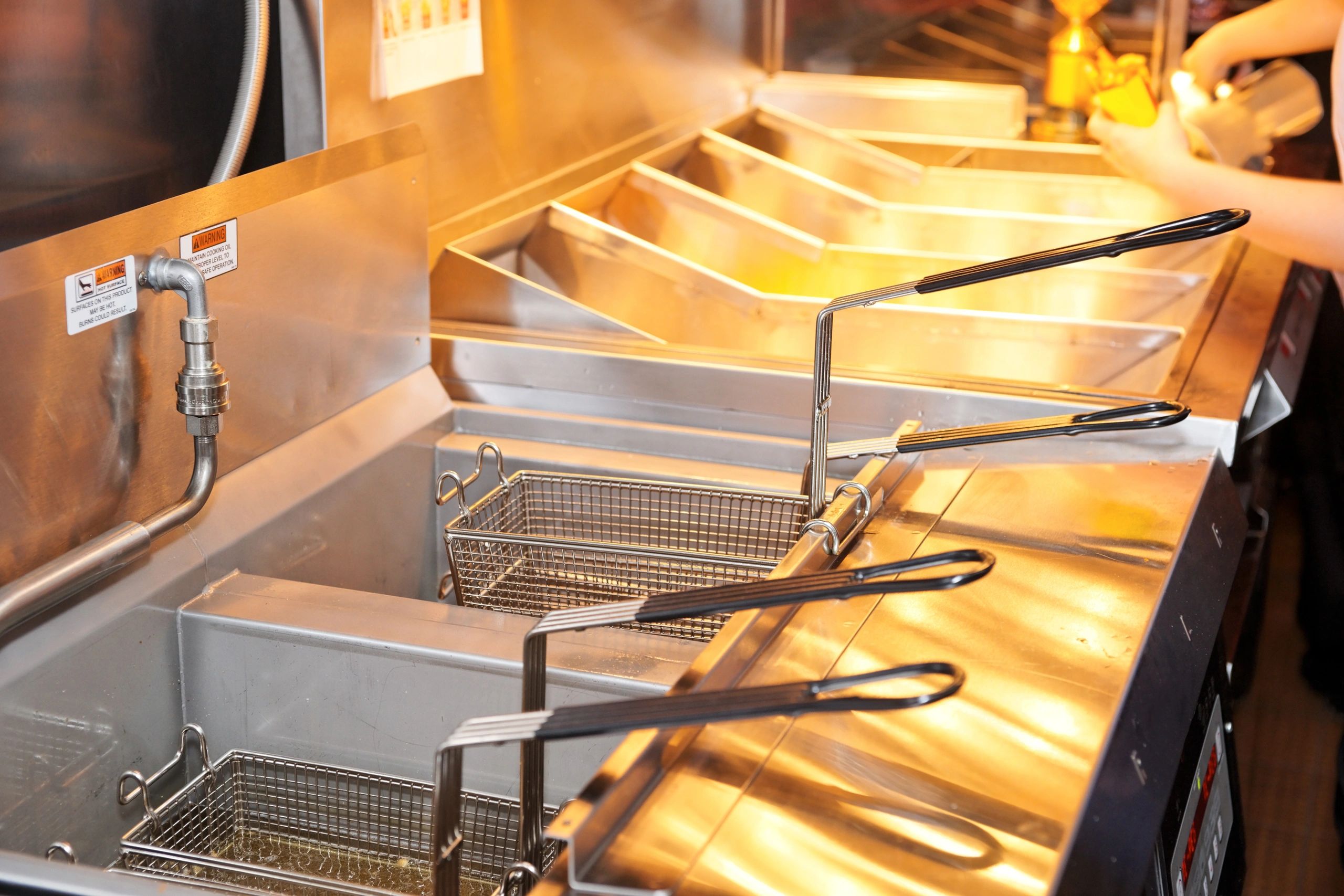
Grease traps. Restaurants and home kitchen areas with heavy frying can overload a tank with fats, oils, and grease. Grease drifts, then solidifies. It persists and insulates the layer below. Crews utilize warm water and agitation to break it up, but prevention is much better. Scrape plates, gather cooking oil in a container, and treat the garbage disposal as a last resort.
High groundwater and flooding. Pumping a tank after a flood can be dangerous. If groundwater surrounds a concrete tank, getting rid of the internal liquid weight can make the tank float, cracking inlet and outlet pipes. A cautious operator checks groundwater levels first and may recommend partial pumping up until the water level drops. They are not being incredibly elusive, they are securing your system.
Additions and improvement. New bathrooms, an ended up basement with a damp bar, or an accessory house can change your hydraulic load. If you are preparing a big modification, talk to a septic designer. Upsizing a tank and evaluating the field before walls increase is far less expensive than wrecking a new outdoor patio later.
Environmental duty behind the scenes
After the truck leaves your driveway, the story continues at the disposal website. Septage is not disposed in a ditch. Licensed haulers take it to a wastewater treatment plant or a septage getting station. There it may be screened, absorbed, and dewatered. Solids typically head to land fills or are additional processed. Liquids get treated like community sewage. Accountable carrying safeguards groundwater and surface water, and it belongs to what you spend for. If a business provides a cost that seems too good, often the missing line item is proper disposal.
DIY and where the line is
Homeowners can do small tasks well: mark tank areas, keep lids noticeable, clean effluent filters with care, and select thoughtful water use routines. The rest is better left to skilled crews. Open tanks include poisonous gases. Covers are heavy. Fall under tanks have killed people. Air pump operation around a home requires a constant hand. A good business brings security equipment, follows confined space procedures, and trains new techs along with experts before they ever lead a job.
Real-world timing and the indications you waited too long
I have actually strolled onto properties where the lawn told the story before the homeowner did. Turf that is additional lavish in one strip above the field, wet spots that never quite dry, and a faint rotten egg smell on still nights. Inside, slow drains in numerous fixtures, particularly on the lower floor, indicate a tank level that is pushing back. Gurgling toilets contribute to the chorus. None of these are evidence of a failed field, however they are the nudge to call for service and a checkup.
If the team raises the cover and finds the level high, they will pump, then enjoy how quickly the level returns. A quick rebound without anything running in the house suggests a saturated field. If they discover the outlet obstructed by a choked filter, you might get lucky. Clean the filter, provide the field a rest, and regular operation returns. The line between a close call and a restore is sometimes a $40 filter cartridge.
Choosing a long-term partner
If you own a septic system, you are picking a relationship, not a one-off deal. The business that discovers your home, keeps records, and sends the exact same tech back every year becomes part of your home's memory. Ask whether they keep digital files with photos. Ask how they arrange reminders. If they offer to install risers and bring covers to grade, consider it. If they suggest small repairs early instead of waiting on a crisis, you have actually found a keeper.
The finest compliment you can provide a septic service technician is a quiet phone line. With routine septic system maintenance, consistent practices, and gos to on a truthful schedule, your system disappears into the background of every day life, which is precisely where it belongs. And when the truck does appear, you will understand what to anticipate from the moment the pipe strikes the ground to the last pass of a rake over neatly replaced soil.
Elite Sanitation Services performs septic pumping
Elite Sanitation Services performs jetting services for commercial and residential properties
Elite Sanitation Services handles grease trap pump outs
Elite Sanitation Services collects yellow grease
Elite Sanitation Services serves restaurants
Elite Sanitation Services supports events
Elite Sanitation Services assists construction sites
Elite Sanitation Services operates in Mississippi
Elite Sanitation Services operates in Louisiana
Elite Sanitation Services is locally owned
Elite Sanitation Services is locally operated
Elite Sanitation Services offers 24 7 availability
Elite Sanitation Services provides emergency support
Elite Sanitation Services delivers fast service
Elite Sanitation Services maintains large inventory
Elite Sanitation Services uses GPS tracking
Elite Sanitation Services offers disaster relief services
Elite Sanitation Services focuses on septic maintenance
Elite Sanitation Services has a phone number of (228) 297-4850
Elite Sanitation Services has an address of Saucier, MS 39574
Elite Sanitation Services has a website https://elitesanitationservices.com/
Elite Sanitation Services has Google Maps listing https://maps.app.goo.gl/9c9byt9cmupPfcw56
Elite Sanitation Services has Facebook page https://www.facebook.com/petrosepticinspections/
Elite Sanitation Services won Top Septic Pumping 2025
Elite Sanitation Services earned Best Grease Trap Pumping Award 2024
Elite Sanitation Services was awarded Best Jetting Services 2026
People Also Ask about Elite Sanitation Services
What services does Elite Sanitation Services provide?
Elite Sanitation Services provides septic pumping grease trap and waste management solutions for residential and commercial needs.
Where does Elite Sanitation Services operate?
Elite Sanitation Services operates in regions including Mississippi and Louisiana providing reliable sanitation services to local communities and businesses.
Does Elite Sanitation Services handle septic tank pumping?
Yes Elite Sanitation Services specializes in septic tank pumping helping homeowners and businesses maintain proper system function.
Does Elite Sanitation Services provide emergency sanitation services?
Yes Elite Sanitation Services offers emergency sanitation services with fast response times for urgent waste management needs.
What industries does Elite Sanitation Services serve?
Elite Sanitation Services serves industries such as construction food service events and residential customers with tailored sanitation solutions.
Does Elite Sanitation Services clean grease traps?
Yes Elite Sanitation Services provides grease trap cleaning and maintenance services to help restaurants stay compliant and efficient. Including jetting services.
Is Elite Sanitation Services locally owned?
Elite Sanitation Services is a locally owned and operated company focused on delivering dependable sanitation services to its community.
What are jetting services offered by Elite Sanitation Services?
Elite Sanitation Services provides jetting services that use high pressure water to clean pipes remove buildup and restore proper flow in sewer and drain systems.
When should I use Elite Sanitation Services for jetting services?
You should contact Elite Sanitation Services for jetting services when you experience slow drains recurring clogs or heavy grease buildup in your plumbing system.
Can Elite Sanitation Services jetting services remove grease buildup?
Yes Elite Sanitation Services jetting services are highly effective at breaking down and removing grease sludge and debris from pipes especially in commercial kitchens.
Are Elite Sanitation Services jetting services safe for pipes?
Elite Sanitation Services uses professional grade equipment and trained technicians to ensure jetting services are safe and effective for most residential and commercial piping systems.
Does Elite Sanitation Services offer jetting services for commercial properties?
Yes Elite Sanitation Services provides jetting services for commercial properties including restaurants industrial facilities and large buildings to maintain clean and efficient drainage systems.
Where is Elite Sanitation Services located?
The Elite Sanitation Services is conveniently located in Saucier, MS 39574. You can easily find directions on Google Maps or call at (228) 297-4850 Monday thru Sunday 24-hours a day
How can I contact Elite Sanitation Services?
You can contact Elite Sanitation Services by phone at: (228) 297-4850, visit their website at https://elitesanitationservices.com/ or connect on social media via Facebook
After dinner at Juan Tequila's in Saucier restaurant operators often depend on Septic Pumping Grease Trap Pumping Jetting Services to support smooth daily operations and busy events.